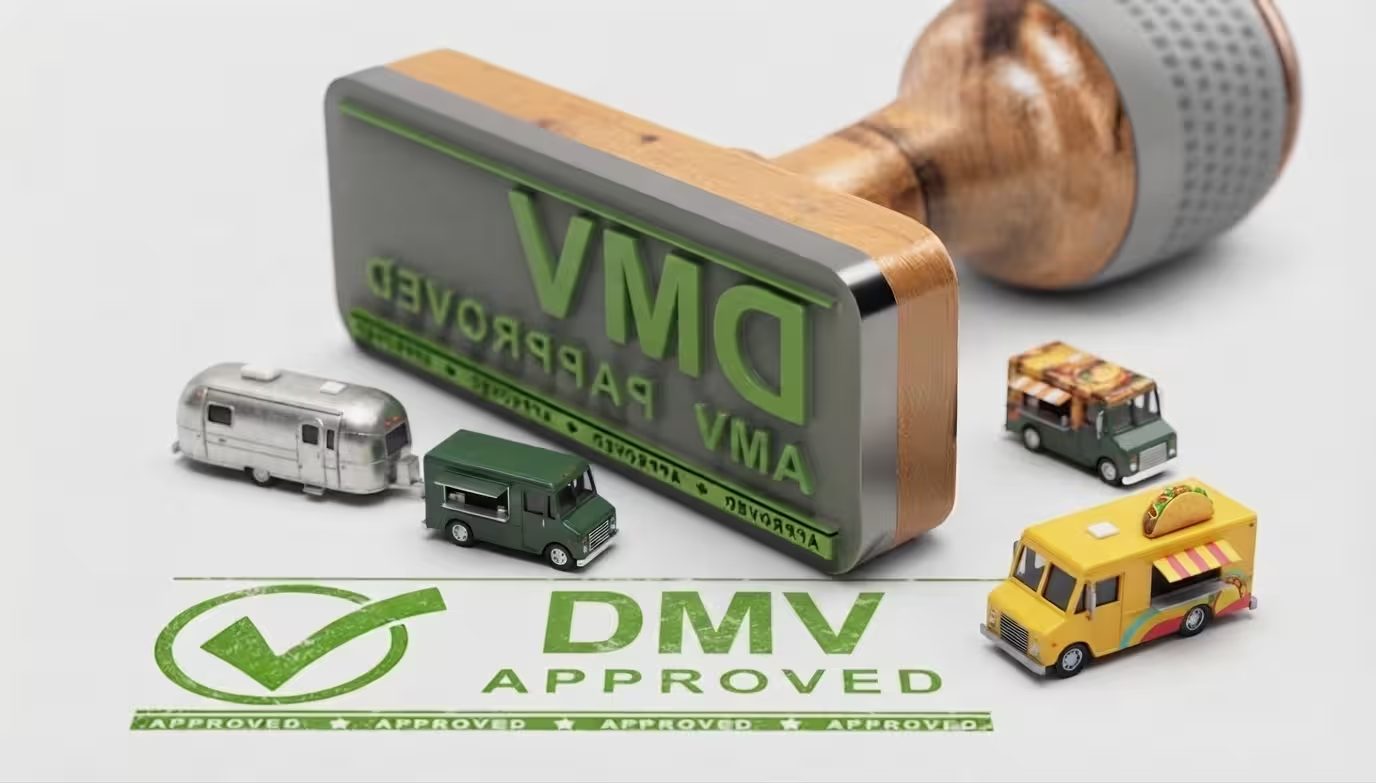
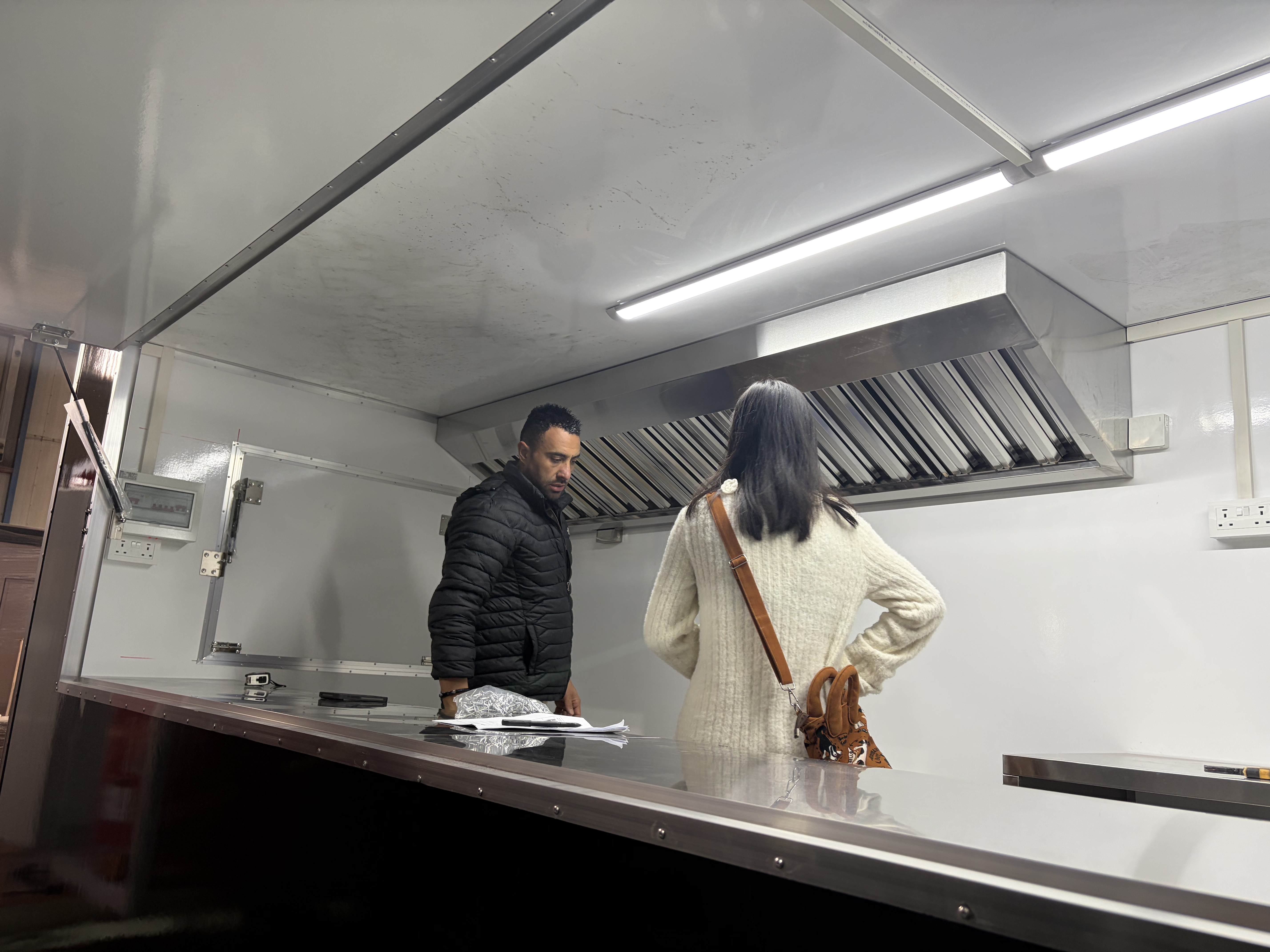
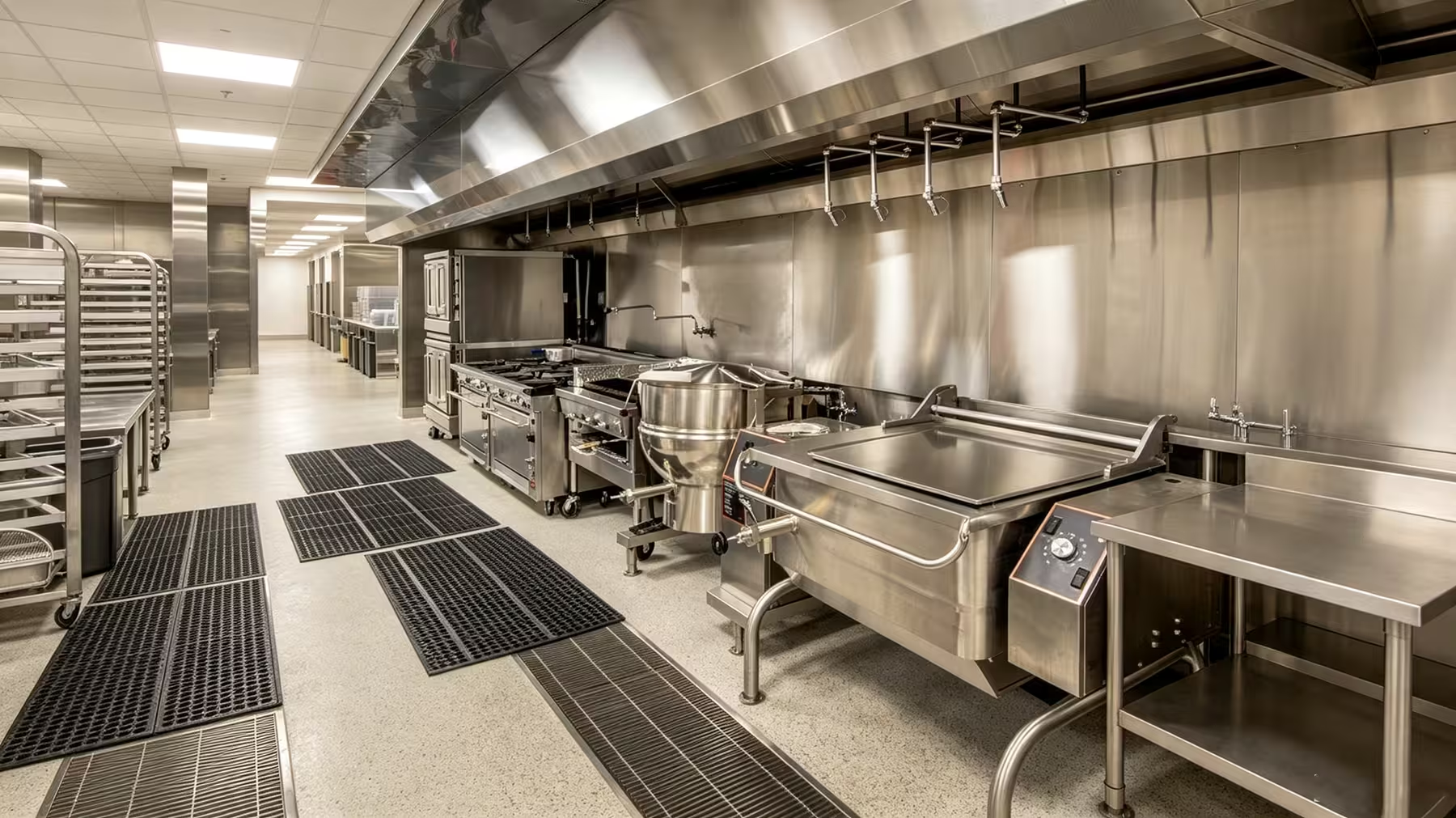
What Does a Food Truck Permit Really Cost?
There is no single “food truck permit” that works everywhere in the United States. You usually need several approvals from different offices.
Think of it like a stack of keys. One key lets you run a business. One says your kitchen is safe. Another says your propane system is safe. Another tells you where you are allowed to park. You need the right set before you can legally serve customers.
Here is the simple budget picture:
- Basic permits and licenses: often $500 to $3,500 in total.
- Insurance: often $1,500 to $5,000 or more per year.
- Commissary kitchen: often $300 to $1,500 or more per month.
- Extra costs: food safety classes, vehicle registration, event permits, parking fees, and possible reinspection.
The Permits Most Food Truck Owners Need
Most owners need six to ten approvals. Your exact list depends on your menu, equipment, city, county, and whether you operate on streets, private land, or at events.
| What you may need | Typical planning cost | In plain English |
|---|---|---|
| Business or vendor license | $50-$500 | Registers your business with the city or county. |
| Health permit and plan review | $50-$1,500+ | Checks your sinks, water tanks, refrigeration, surfaces, equipment, and food process. |
| Food safety certificate | $10-$150 per person | Shows that you or your staff understand safe food handling. |
| Fire inspection or permit | $35-$500+ | Checks propane, generators, cooking equipment, hoods, extinguishers, and fire suppression. |
| Sales-tax permit | $0-$100 | Allows you to collect sales tax where required. |
| Vehicle title and registration | $18-$275+ per year | Makes the truck or trailer legal to use on public roads. |
| Commissary agreement | $300-$1,500+ per month | Gives you an approved place to store food, clean equipment, fill water, and dump wastewater. |
| Location or event permit | $25-$500+ | Lets you sell at a specific street, park, festival, campus, or private site. |
| Insurance | $1,500-$5,000+ per year | Protects the business and is often required by cities, landlords, and event organizers. |
These are planning ranges, not quotes. Always ask the local office for the current fee in writing.
Why One Food Truck Costs More to Permit Than Another
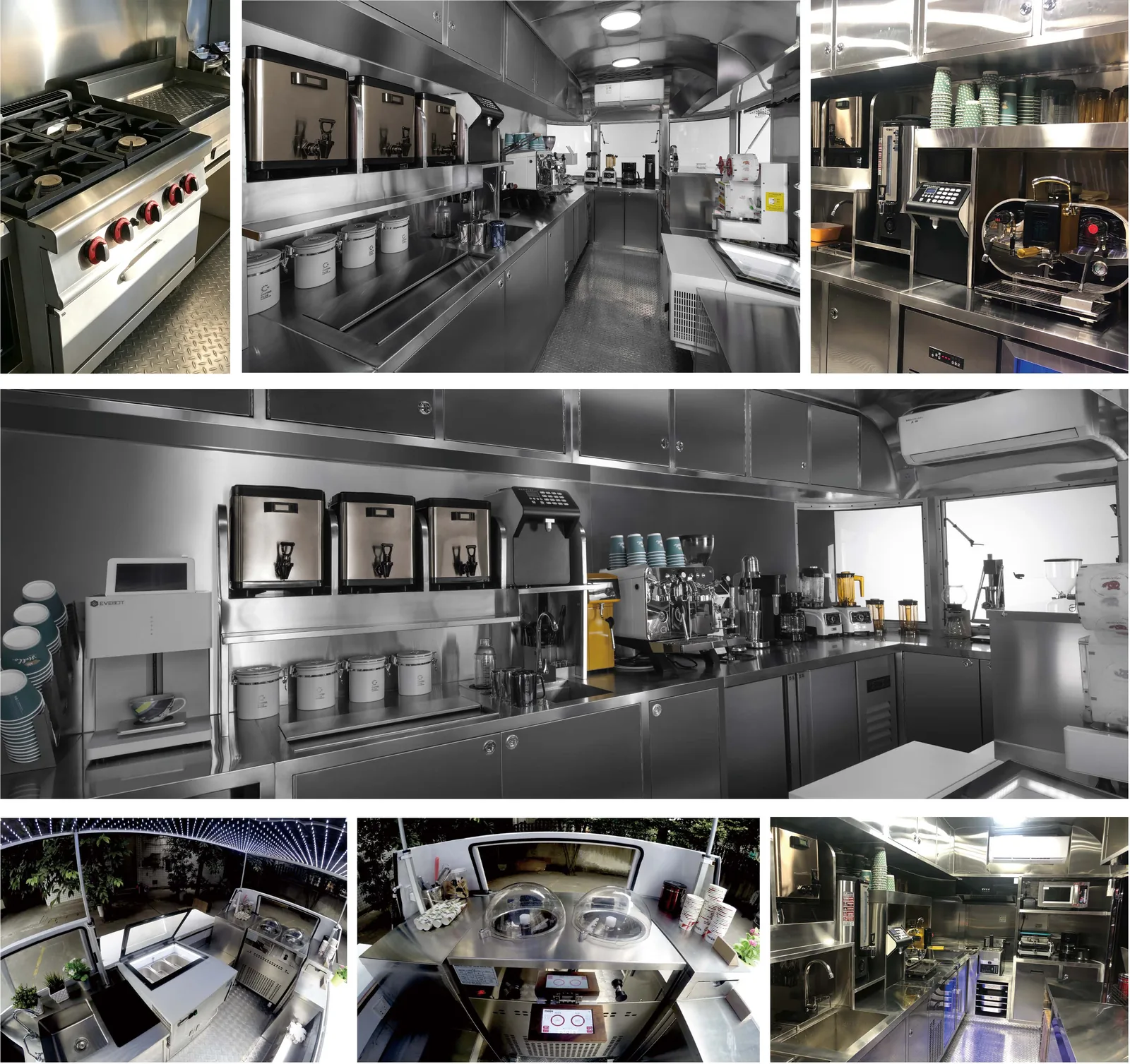
The biggest reason is simple: a truck that cooks raw food has more safety risks than a cart that sells sealed snacks.
Your menu changes the rules
If you sell packaged chips and bottled drinks, your setup may be simple. If you cook burgers, cool rice, reheat meat, or hold dairy products cold, you will usually need more sinks, stronger refrigeration, more water, and more inspections.
Your equipment changes the rules
Propane, fryers, grills, generators, and commercial hoods can trigger fire review. Large menus may require more refrigeration, a larger water heater, and larger water and wastewater tanks.
Your location changes the rules
A county health permit does not automatically give you permission to park anywhere. A city, landlord, park department, or event organizer may have separate rules.
2026 Food Truck Fee Examples
Texas now uses one statewide food-truck license, while cities such as New York and Chicago still show how access and parking rules can matter more than the printed fee.
| Place | Key cost example | What it means for you |
|---|---|---|
| Texas | Type I: $309. Type II: $618 plus $400 inspection. Type III: $876 plus $500 inspection. | Since July 1, 2026, Texas DSHS issues a statewide mobile food vendor license. Local fire, zoning, and location rules can still apply. |
| New York City | $50 vendor license, $53 course, and generally $200 or $75 for a two-year full-term unit permit. | The official price is low, but permits are limited. Getting access can be much harder than paying the fee. |
| Chicago | $1,000 for two years for a cooking truck; $700 for two years for a dispenser truck. | A 200-foot rule near restaurants makes many busy areas unavailable. Other fire and kitchen costs may apply. |
| California | No single statewide health-permit price. Counties set their own fees. | Choose the county first, then ask for its mobile food facility fee schedule and plan-review checklist. |
| Florida | State licensing is usually several hundred dollars per year. | The agency and process may change depending on whether you cook food or sell only packaged products. |
| Portland, Oregon | For right-of-way vending: $150 application, $150 annual permit, and $57 insurance processing. Propane may add $35 annually. | Portland offers several ways to operate, but sidewalks, private lots, pods, parks, and streets follow different paths. |
The Best U.S. Cities for a New Food Truck in 2026
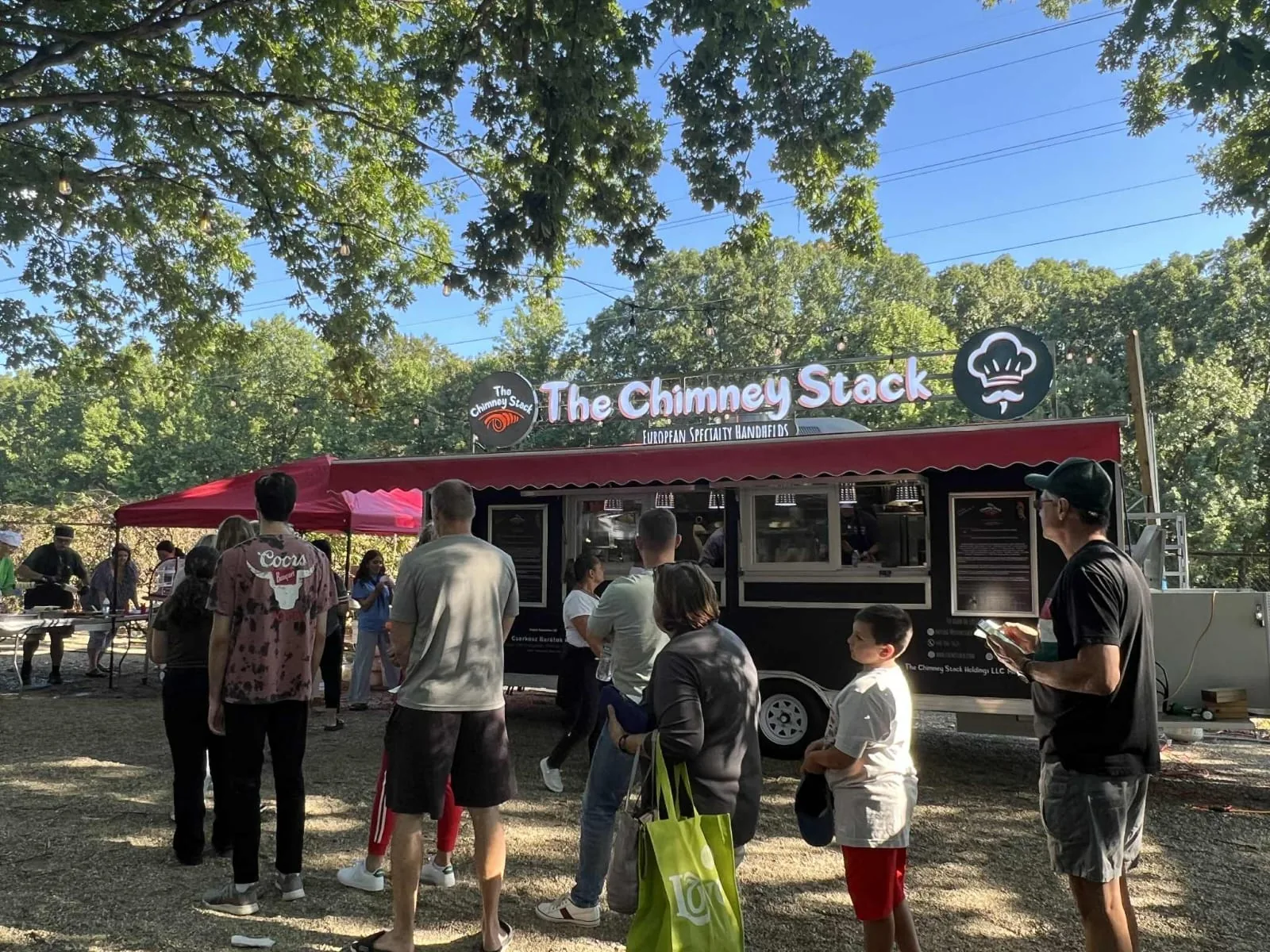
Houston is our top choice for many first-time owners because Texas now has statewide licensing, the area has many commissary kitchens, and there is no broad citywide rule keeping every truck far from restaurants.
This NewBeacon ranking is a practical starting point. We looked at permit cost, waiting time, restaurant-distance rules, sales tax, commissary access, and whether local rules are becoming easier or harder. Customer demand and weather are not included in the score.
| Rank | City | Early permit budget* | Usual timeline* | Why beginners like it |
|---|---|---|---|---|
| 1 | Houston, TX | $300-$1,400 | 4-8 weeks | Statewide license, many commissaries, and flexible location options. |
| 2 | Portland, OR | $400-$1,000+ | 6-10 weeks | Strong food-cart culture, many pods, and no state sales tax. |
| 3 | Austin, TX | $600-$1,900 | 6-10 weeks | Strong customer demand and a well-known food-truck scene. |
| 4 | Atlanta, GA | $400-$1,200 | 6-10 weeks | Good commissary supply and a strong catering market. |
| 5 | Tampa, FL | $350-$1,000 | 6-10 weeks | Year-round business potential and manageable startup rules. |
| 6 | Nashville, TN | $300-$1,000 | 4-8 weeks | Strong event and catering opportunities. |
| 7 | Denver, CO | $400-$1,200 | 6-10 weeks | Established food-truck culture and improving permit cooperation. |
| 8 | Phoenix, AZ | $300-$1,000 | 4-8 weeks | Lower entry barriers, although summer heat is a challenge. |
| 9 | San Antonio, TX | $300-$1,400 | 4-8 weeks | Benefits from the Texas statewide license and lower operating costs. |
| 10 | Dallas, TX | $400-$1,500 | 6-10 weeks | Large corporate catering market and fewer duplicate health permits. |
*These figures are early planning estimates. They do not include insurance, commissary rent, vehicle registration, site rent, equipment changes, or special-event fees.
Why New York City and Chicago Are Hard for Beginners
Both cities have lots of hungry customers. The problem is getting a legal place to serve them.
- Chicago: The 200-foot restaurant-distance rule removes many busy streets from your options. A truck may be fully permitted and still struggle to find a useful legal spot.
- New York City: The official fees are low, but full-term permits are limited and controlled through city licensing and waiting-list systems.
That does not mean a business cannot succeed there. Catering, private property, breweries, offices, and special events can be better routes than everyday street vending.
Insurance: The Bill Many New Owners Forget
A city may not call insurance a permit, but you may still need proof of coverage before you can operate.
- General liability helps cover customer injuries, property damage, and food-related claims. Many places ask for a $1 million limit.
- Commercial auto covers a business-owned truck. The price depends on the vehicle, driving record, location, and mileage.
- Workers’ compensation may be required when you hire employees.
- Equipment and property coverage can help with theft, fire, or spoiled food after refrigeration failure.
Ask whether the city, landlord, commissary, or event must be listed as an “additional insured.” This small detail can stop an event booking if it is missing.
Where Can You Park and Sell?
A health permit says your kitchen is safe. It does not say you can park anywhere you want.
| Rule to check | Why it matters | Simple question to ask |
|---|---|---|
| Distance from restaurants | May block busy downtown streets. | How is the distance measured? |
| Private-property zoning | The owner’s permission may not be enough. | Is food-truck vending allowed on this parcel? |
| Parking time limits | You may have to leave before service ends. | How long can I stay, and how far must I move? |
| School or residential buffers | May remove otherwise attractive sites. | Are there special distance or hour limits? |
| Restroom access | Long service hours may require a nearby restroom. | When is a restroom agreement required? |
| Propane and generators | May change where the unit can be placed. | Can I use this equipment at this exact site? |
Do Not Forget Renewals
Most licenses and inspections expire every one or two years. Missing a date can stop you from working even when nothing is wrong with the truck.
- Track the business license, health permit, fire inspection, food-manager certificate, vehicle registration, insurance, and commissary agreement in one calendar.
- Set reminders 90, 60, 30, and 7 days before each expiration date.
- Ask again when you change the menu, equipment, owner, commissary, or operating county.
- Save money for annual fees, late charges, suppression-system service, and possible reinspection.
A Simple First-Year Compliance Budget
For many new owners, $3,000 to $15,000 is a sensible compliance reserve. Expensive cities, high commissary rent, or major build changes can push the number higher.
| Budget item | Lean setup | Typical cooking truck | Hard market |
|---|---|---|---|
| Government fees | $500-$1,500 | $1,000-$3,500 | $3,500-$10,000+ |
| Insurance | $1,500-$2,500 | $2,500-$5,000 | $5,000+ |
| First 3 months of commissary | $900-$1,800 | $1,500-$3,600 | $3,600-$6,000+ |
| Training and paperwork | $100-$500 | $300-$1,000 | $1,000+ |
| Reinspection and emergency reserve | $500-$1,000 | $1,000-$2,500 | $2,500-$5,000+ |
| Suggested reserve | $3,500-$7,300 | $6,300-$15,600 | $15,600-$27,000+ |
This does not include the truck or trailer, cooking equipment, food, payroll, fuel, site rent, event commissions, or financing.
How NewBeacon Helps Before, During, and After the Build
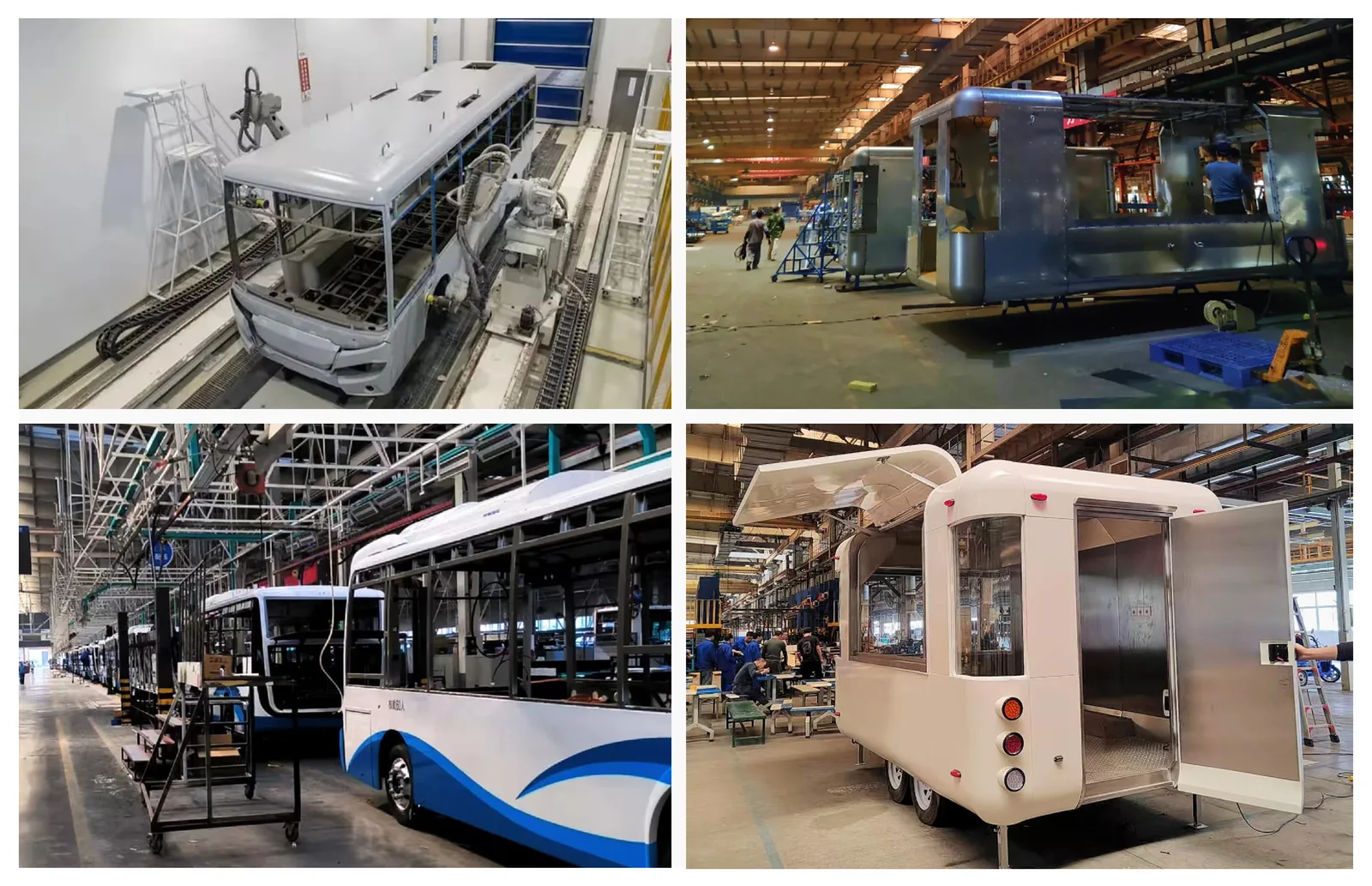
NewBeacon builds custom food trailers, but the useful part is not only the metal box. Our goal is to help you connect your menu, workflow, equipment, paperwork, shipping, and road-registration needs before money is locked into the wrong design.
| Stage | What NewBeacon can provide | Why it helps |
|---|---|---|
| Before the build | Menu discussion, budget range, equipment list, and 2D/3D layout. | Helps you show a clear concept to the health department and compare the design with local requirements. |
| Engineering | Custom plumbing, electrical, ventilation, water-tank, workstation, and storage planning. | Reduces last-minute conflicts between equipment, staff movement, cleaning, and utilities. |
| Compliance documents | WMI/VIN support, equipment specifications, material information, and available UL/ETL or NSF-related component documentation. | Organizes the documents often requested for road registration and plan review. Exact requirements still depend on the state and local authority. |
| Production | Custom exterior, serving windows, stainless-steel kitchen, refrigeration, cooking equipment, and branding features. | Builds the trailer around the business instead of making the business fit a standard shell. |
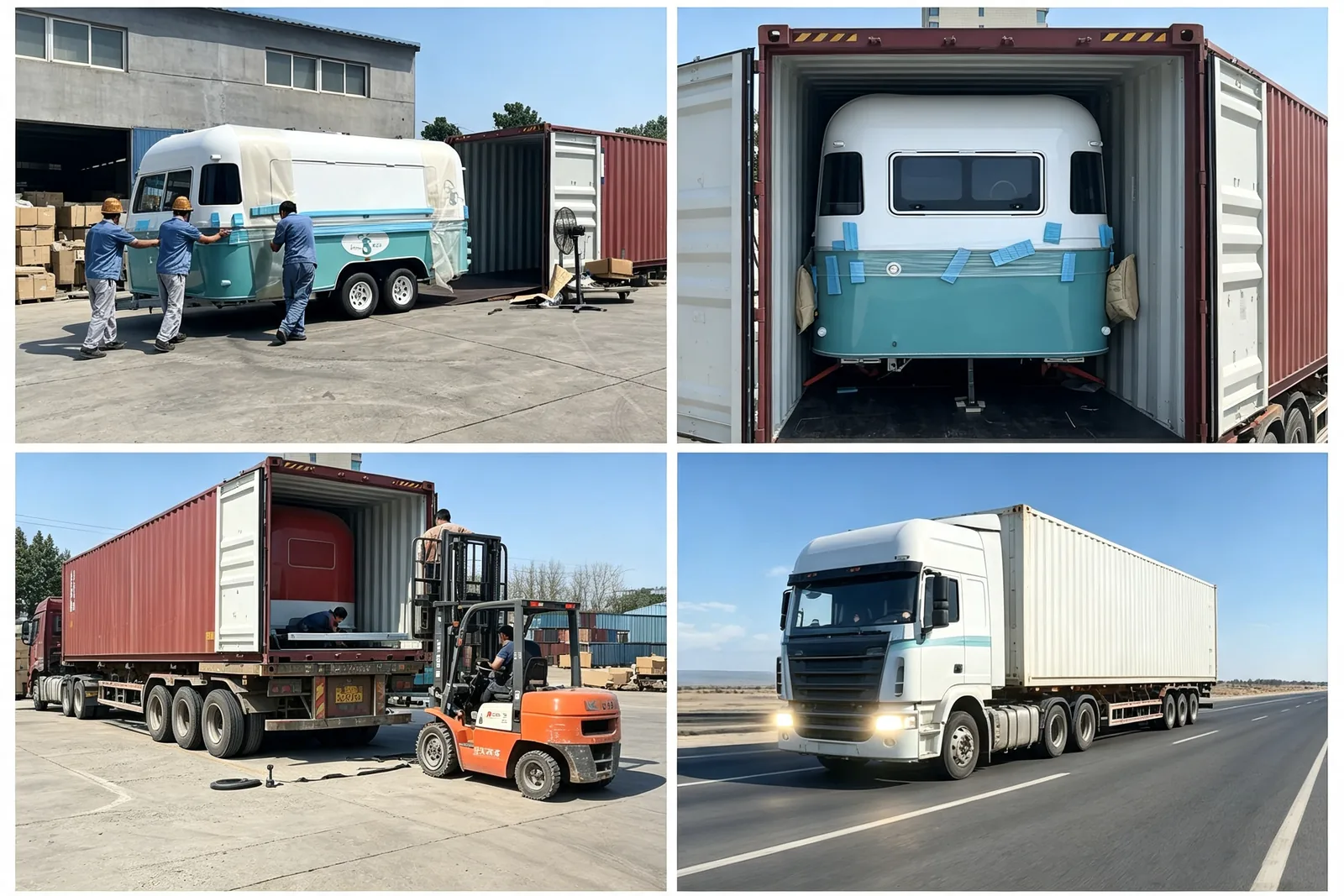
| Delivery | Export paperwork, ocean shipping coordination, customs support, and door-to-door options. | Makes international purchasing easier to manage. |
| After delivery | Setup guidance, maintenance support, replacement-part help, and technical communication. | Gives the owner a contact when questions come up during inspection or operation. |
A Better Order for Starting Your Food Truck
The safest order is menu first, rules second, design third, and production fourth.
- Write a short menu and explain how every item will be stored, prepared, cooked, cooled, reheated, and served.
- Choose the city and county where you will operate. Download their mobile food unit checklist.
- Find a commissary and at least several legal selling locations.
- Ask the health and fire departments what plans and equipment documents they want.
- Send those requirements to NewBeacon so the layout and equipment package can be adjusted before production.
- Submit plans, answer agency questions, and keep written records of approvals.
- Build, ship, register, inspect, insure, and open only after every required approval is in place.
Food Truck Permit FAQ
How much does a food truck permit cost?
One permit may cost $50 to $1,500. The complete first-year compliance package often costs several thousand dollars.
What is the best city for a first food truck?
Houston is one of the strongest 2026 choices for many beginners because Texas uses a statewide license and the market has many commissaries and catering opportunities.
Do I need a commissary kitchen?
Often, yes. Many health departments require an approved place for food storage, cleaning, water filling, wastewater disposal, or food preparation. Some low-risk units may qualify for different rules.
Can one permit cover several cities?
Sometimes. Texas now has a statewide mobile food vendor license, and some states offer permit reciprocity. Local fire, zoning, parking, business-license, and event rules may still apply.
Does a VIN or DOT-compliant trailer guarantee a health permit?
No. A VIN and road-safety compliance help with title and registration. Health approval separately checks the kitchen, equipment, water, surfaces, ventilation, and food process.
How long does food truck permitting take?
A simple case may take four to eight weeks. Plan changes, inspection delays, zoning questions, or construction work can stretch the process to several months.
The Bottom Line
Do not choose a city only because the permit looks cheap. Choose a market where you can get approved, find legal places to sell, reach customers, and afford the ongoing costs.
The most expensive mistake is buying a beautiful trailer first and checking the rules later. Start with your menu and local checklist. Then build a kitchen that supports both.
Sources and Important Note
This article combines NewBeacon editorial analysis with public agency information and the source material supplied for the original article. Rules and fees change. Always follow the latest written instructions from the agency that will issue your permit.
- Texas DSHS, Mobile Food Vendors: https://www.dshs.texas.gov/retail-food-establishments/permits-retail-food-establishments/mobile-food-vendors
- NYC311, Food Cart Vendor License: https://portal.311.nyc.gov/article/?kanumber=KA-03354
- NYC Business, Mobile Food Vending Unit Permit: https://nyc-business.nyc.gov/nycbusiness/description/mobile-food-vending-unit-permit-full-term
- City of Portland, Vending Cart Permit: https://www.portland.gov/transportation/permitting/business-support/apply-vending-cart-permit
- Portland Fire & Rescue, Food Cart and Truck Fire Safety: https://www.portland.gov/fire/permits-inspections/code-policies-pfrs-fire-safety-inspection-program/vending-food-cart
- City of Chicago BACP: https://www.chicago.gov/city/en/depts/bacp.html
 Custom Food Trailers & Complete Mobile Kitchen Solutions